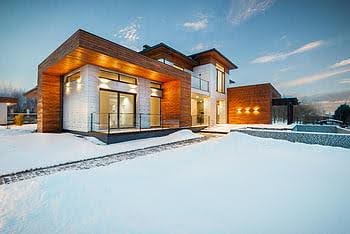
The Art of Timber Living: Designing Spaces That Feel Natural, Durable, and Distinct
There’s something unmistakably grounding about walking into a space shaped by timber. It doesn’t just define structure—it influences how a home feels, how it ages, and how it connects with its surroundings. In modern construction and design, timber has moved far beyond its traditional role, becoming a defining material for homes that prioritize both aesthetics and longevity.
As homeowners become more intentional about their living environments, the demand for materials that offer authenticity and performance continues to grow. Timber answers both needs, providing a foundation that supports thoughtful design while maintaining a strong connection to natural elements.
Why Timber Continues to Shape Modern Living
Timber has remained relevant not because of tradition alone, but because of its adaptability. It can be used in contemporary builds, rustic retreats, or hybrid designs that blend different architectural styles. This flexibility allows it to evolve alongside changing design preferences without losing its core appeal.
Unlike many manufactured materials, timber ages with character. Over time, it develops subtle variations in tone and texture, giving spaces a lived-in quality that feels authentic rather than worn out.
Understanding Material Behavior in Real-World Conditions
Natural Imperfections and Their Impact
One of the defining traits of timber is its organic nature. Variations such as knots, grain patterns, and even discoloration can occur depending on how the wood is processed and stored. For example, understanding issues like blue stain in southern pine lumber helps builders make informed decisions about material selection and treatment.
These characteristics are not necessarily flaws; in many cases, they contribute to the visual uniqueness of a project. The key lies in knowing how to manage and incorporate them into the overall design.
Durability Through Proper Planning
Timber performs best when its natural properties are respected. Moisture control, ventilation, and finishing techniques all play a role in extending its lifespan. When handled correctly, timber structures can remain strong and visually appealing for decades.
This makes it a reliable choice for both structural and decorative applications.
Crafting Spaces with Expert Insight
Designing with timber requires more than selecting the right material—it involves understanding how each component contributes to the overall structure. This is where experienced professionals become essential.
Working with specialists from Tar River Timber Works allows projects to benefit from a deeper level of craftsmanship and planning. Their approach ensures that timber is not just used effectively, but also integrated in a way that enhances the entire living experience.
This collaboration often results in spaces that feel cohesive, where every detail serves both a functional and aesthetic purpose.
Blending Timber with Lifestyle-Oriented Design
Modern homes are increasingly designed around lifestyle rather than rigid architectural rules. Timber supports this shift by offering a material that adapts easily to different living patterns, from open-plan layouts to more segmented, private spaces.
For homeowners exploring ways to align design with comfort and usability, resources like guides to selecting thoughtfully designed living spaces highlight how material choices influence overall experience. Timber plays a central role in creating environments that feel both functional and inviting.
This adaptability makes it a preferred option for spaces intended to balance relaxation, productivity, and social interaction.
The Role of Timber in Creating Atmosphere
Atmosphere is often the difference between a house and a home. Timber contributes to this in subtle but powerful ways. Its texture softens hard lines, while its natural tones create a sense of warmth that artificial materials struggle to replicate.
In open spaces, exposed beams or wooden panels can serve as focal points, adding depth without overwhelming the design. In smaller areas, timber accents can make rooms feel more intimate and comfortable.
This ability to influence mood is one of timber’s most valuable qualities.
Efficiency Without Compromising Design
Construction efficiency is often seen as a trade-off against design quality, but timber challenges that assumption. Its workability allows for faster construction timelines while still supporting detailed and customized designs.
Prefabrication techniques and modern joinery methods further enhance this efficiency, reducing waste and improving consistency. At the same time, these approaches maintain the flexibility needed for creative expression.
As a result, timber enables builders to achieve both speed and precision without sacrificing design integrity.
Adapting Timber to Contemporary Trends
Design trends continue to evolve, influenced by changing lifestyles and technological advancements. Timber remains relevant because it can be adapted to fit these trends rather than being replaced by them.
Whether used in minimalist interiors, mixed-material exteriors, or sustainable builds, timber provides a consistent foundation that supports innovation. Its compatibility with other materials, such as glass and metal, allows designers to experiment while maintaining balance.
This versatility ensures that timber remains a central element in modern construction.
Long-Term Value in Timber-Based Design
Investing in timber is not just about immediate visual appeal—it’s about long-term value. Homes built with well-planned timber elements often age more gracefully, requiring fewer structural changes over time.
This durability, combined with its timeless aesthetic, makes timber a practical choice for homeowners looking to create lasting spaces. It also contributes to a sense of continuity, where the design remains relevant even as trends shift.
For builders and designers, this long-term perspective is essential in delivering projects that stand the test of time.
Conclusion
Timber continues to define modern living by offering a rare combination of strength, adaptability, and natural beauty. Its ability to support both structural integrity and design expression makes it an invaluable material in contemporary construction.
By understanding its properties, working with experienced professionals, and integrating it thoughtfully into design plans, it becomes possible to create spaces that feel both purposeful and enduring. Timber, when used with intention, transforms buildings into environments that truly resonate with those who live in them.